
Ornamental Turning Studio
A craft that outlasted three centuries.
Holtzapffel teaches the ornamental turning technique — a precision woodworking art practised by 19th-century court craftsmen. We run small workshops in Olsztyn, take bespoke commissions and offer restoration consultations.
How we work
From raw blank to finished piece
Every object that leaves this studio passes through the same sequence of decisions and hands. Nothing is rushed.
Select the wood
We work with air-dried hardwoods sourced from Polish sawmills. The grain, density and moisture content all shape what the lathe can do with it.
Turn the blank
Using a combination of a modern lathe and period-accurate ornamental turning frames, the rough blank is reduced to its working form. This takes time — there are no shortcuts here.
Ornamental cutting
Geometric patterns are cut using indexed frames that control the angle and depth of each pass. A single piece can require hundreds of individual cuts.
Finish and cure
We finish with shellac, oil or wax depending on the intended use. Curing takes a minimum of two weeks in a climate-controlled room.
Delivery or collection
Commission pieces are delivered with documentation of the technique used. Workshop students leave with their own finished object and a written record of what they made.
What we offer
Three ways to work with us
Workshops
Half-day and full-day sessions in our Olsztyn studio. You work on a real piece of wood from the first hour. No experience required.
Learn moreBespoke Commissions
We accept a small number of commission pieces each year. Each one is made to a specific brief, documented and signed.
Learn moreRestoration Consultations
If you have antique turned woodwork that needs assessment or advice, we offer in-person and written consultations.
Learn moreFrom past participants
What people say after a session
"I expected a craft class. What I got was an entirely different relationship with how things are made. The patience that the technique demands is the point."
"By the afternoon I had made something I actually wanted to keep. That was not what I expected from a single day."
"The documentation they provided with the commission piece was as interesting as the object itself. I know exactly what species of oak was used and why."
From the studio
Recent Dispatches
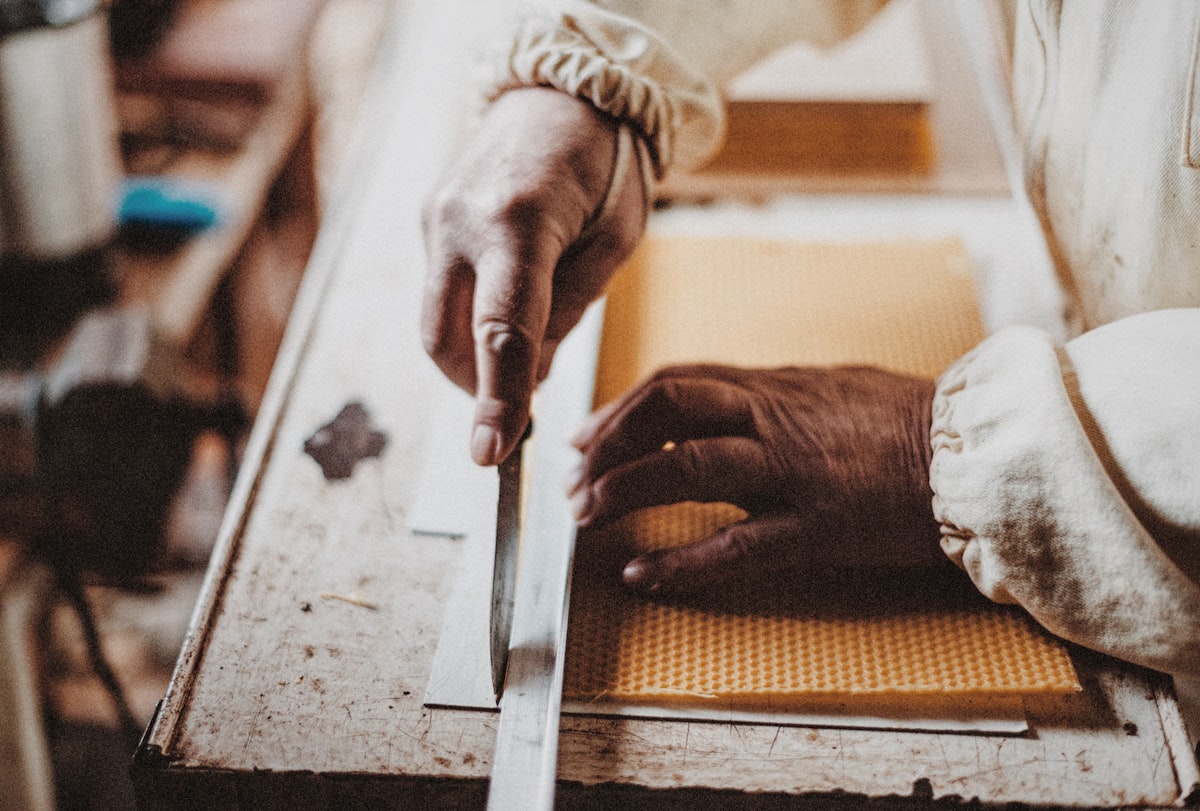
Ornamental Turning — A Brief Primer
What separates ornamental turning from regular woodturning, and why it fell out of common knowledge for most of the 20th century.
Read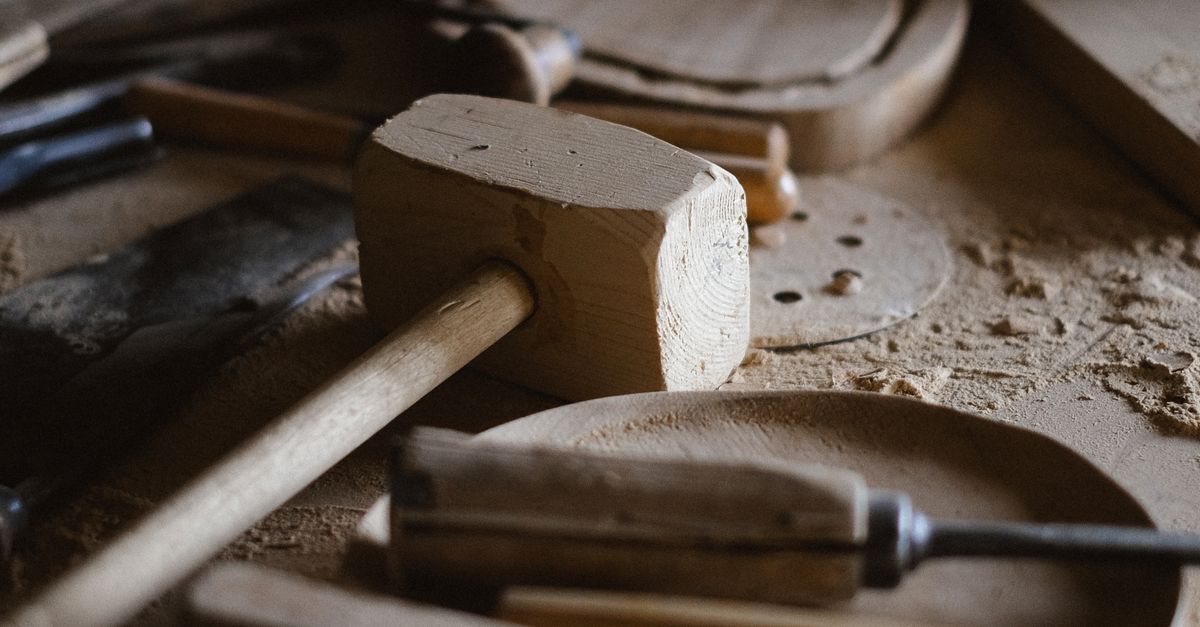
Choosing Your First Gouge
The overwhelming selection of turning tools makes no sense until you understand what each profile is actually for. A practical guide for beginners.
Read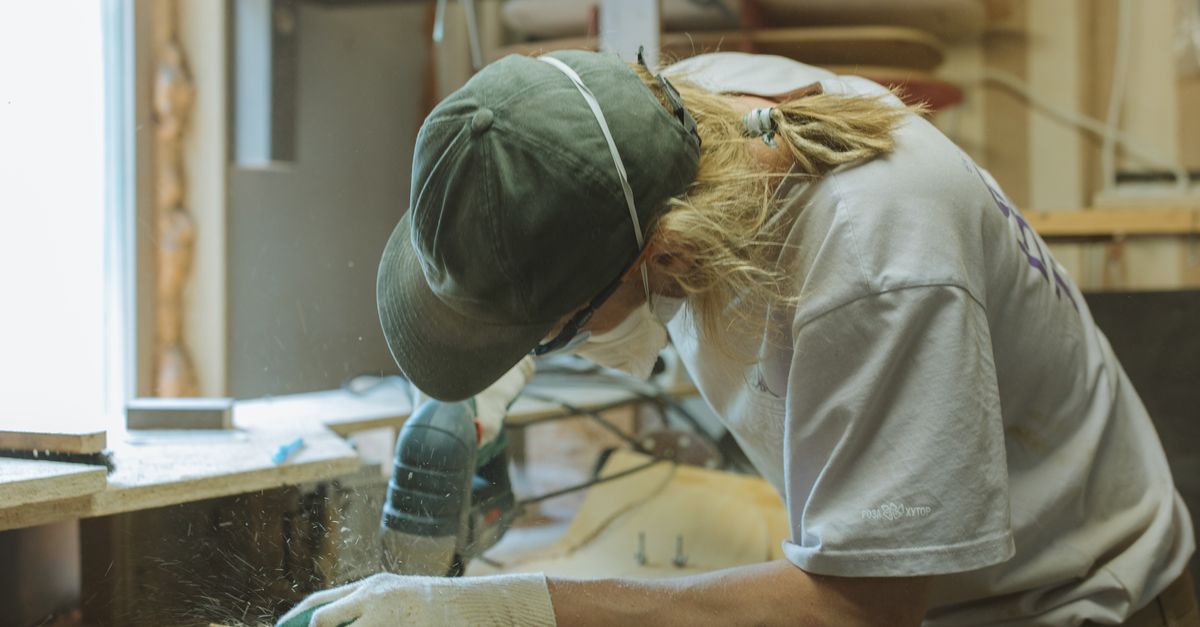
Why Slow Work Matters
There is a category of skills that cannot be learned quickly. Ornamental turning is one. Here is why that is not a flaw but the whole point.
ReadCommon questions